Affiliate marketing has become one of the most accessible ways to build an online income stream without creating your own products. From bloggers and YouTubers to social media creators and niche website owners, thousands of people use this business model to recommend products and earn commissions from successful referrals.
In 2026, the opportunity is bigger than simply placing product links on a website. Successful creators are combining helpful content, search engine optimization, email marketing, social media, and artificial intelligence to reach people who are already looking for solutions.
If you want to understand how this business model works, how to get started, and what strategies can help you build sustainable income, this guide covers the essential steps.
What Is Affiliate Marketing?
Affiliate marketing is a performance-based business model where you promote another company’s products or services and receive a commission when someone completes a qualifying action through your unique referral link.
The process is simple:
- Join an affiliate program.
- Choose products or services relevant to your audience.
- Receive a unique affiliate link.
- Create useful content around the product.
- Promote your content through search, social media, email, or other channels.
- Earn a commission when someone makes a qualifying purchase or completes an approved action.
You don’t normally need to handle inventory, shipping, customer service, or product development. Your primary responsibility is attracting the right audience and helping them make informed purchasing decisions.
How Does Affiliate Marketing Work?
There are usually four major participants in an affiliate marketing system:
The Merchant: The company that sells the product or service.
The Affiliate: The person or business that promotes the product.
The Consumer: The customer who clicks the referral link and takes an action.
The Affiliate Network: A platform that may connect merchants with affiliates, track referrals, and process commissions.
For example, imagine you operate a website about home technology. You publish an article comparing several wireless routers. Within the article, you include properly disclosed referral links. A reader clicks one of those links and purchases a router. If the transaction qualifies under the program’s terms, you receive a commission.
Best Affiliate Marketing Strategies for 2026
Competition has increased, so simply publishing hundreds of product links is unlikely to produce consistent results. The strongest approach is to create content that solves real problems.
1. Focus on a Specific Niche
Choose a focused topic instead of trying to promote everything. Popular niches include:
- Personal finance
- Software and technology
- Fitness and wellness
- Home improvement
- Travel
- Beauty and skincare
- Online education
- Productivity
- Consumer electronics
A focused niche makes it easier to establish topical authority and attract people with specific interests.
2. Create Product-Focused Content
Some of the most useful content formats include:
- Product reviews
- Comparison articles
- “Best” product guides
- Tutorials
- Buying guides
- Alternatives articles
- Product roundups
- How-to guides
For example, instead of writing a generic article about laptops, you could create content such as “Best Laptops for Remote Work in 2026.” This targets people who may already have buying intent.
3. Use SEO to Capture Search Traffic
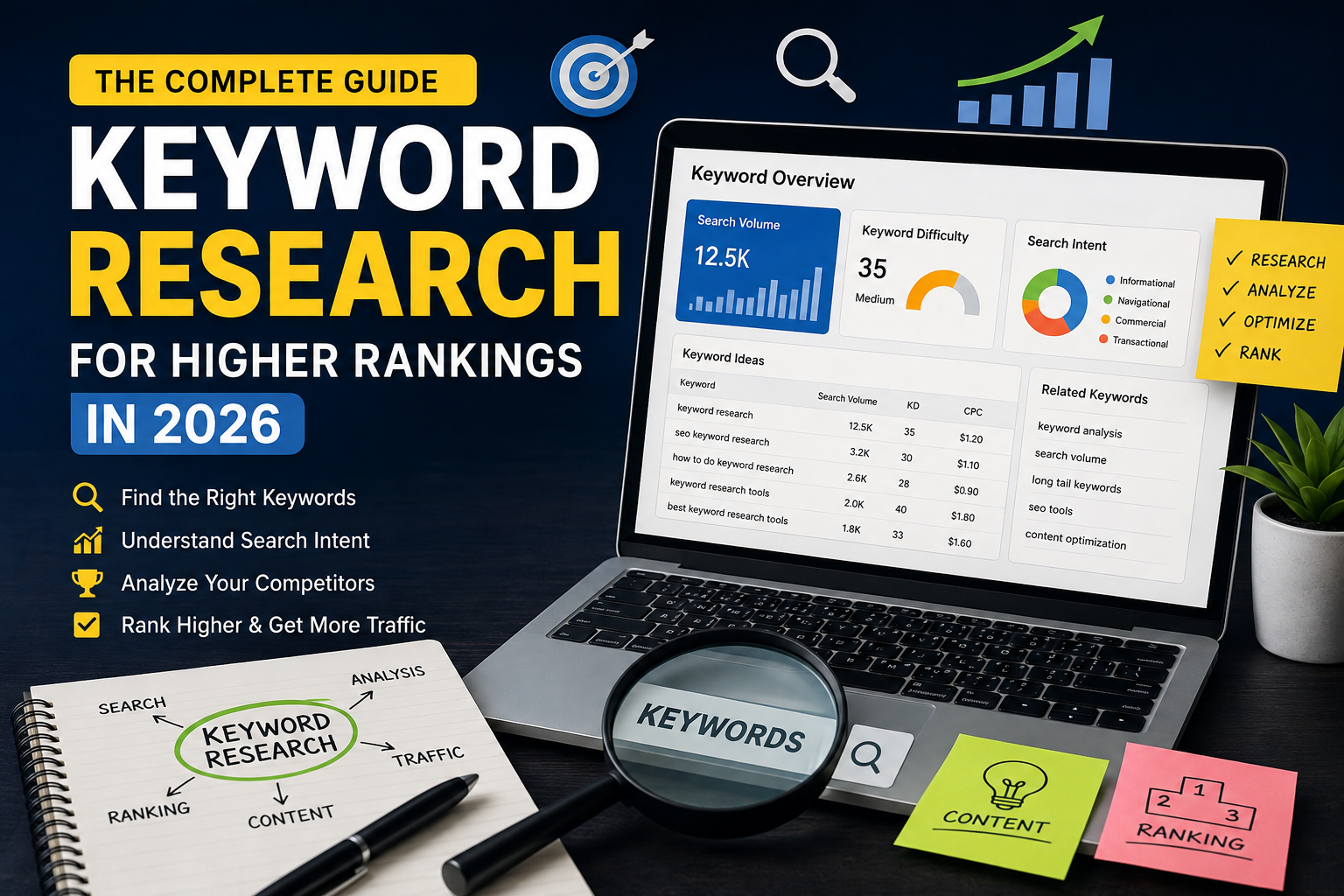
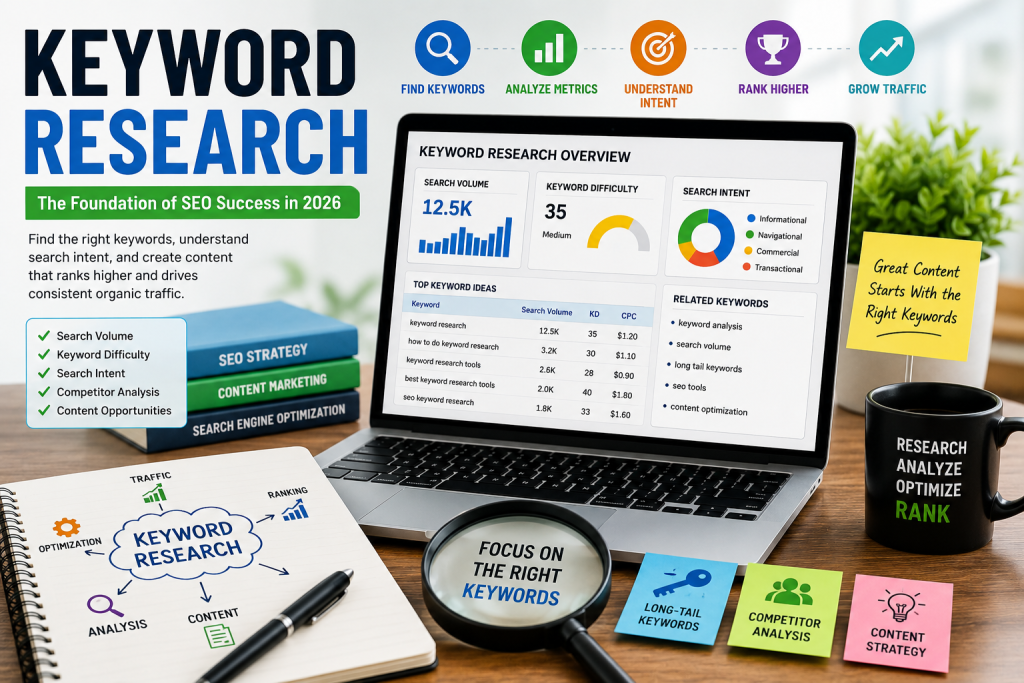
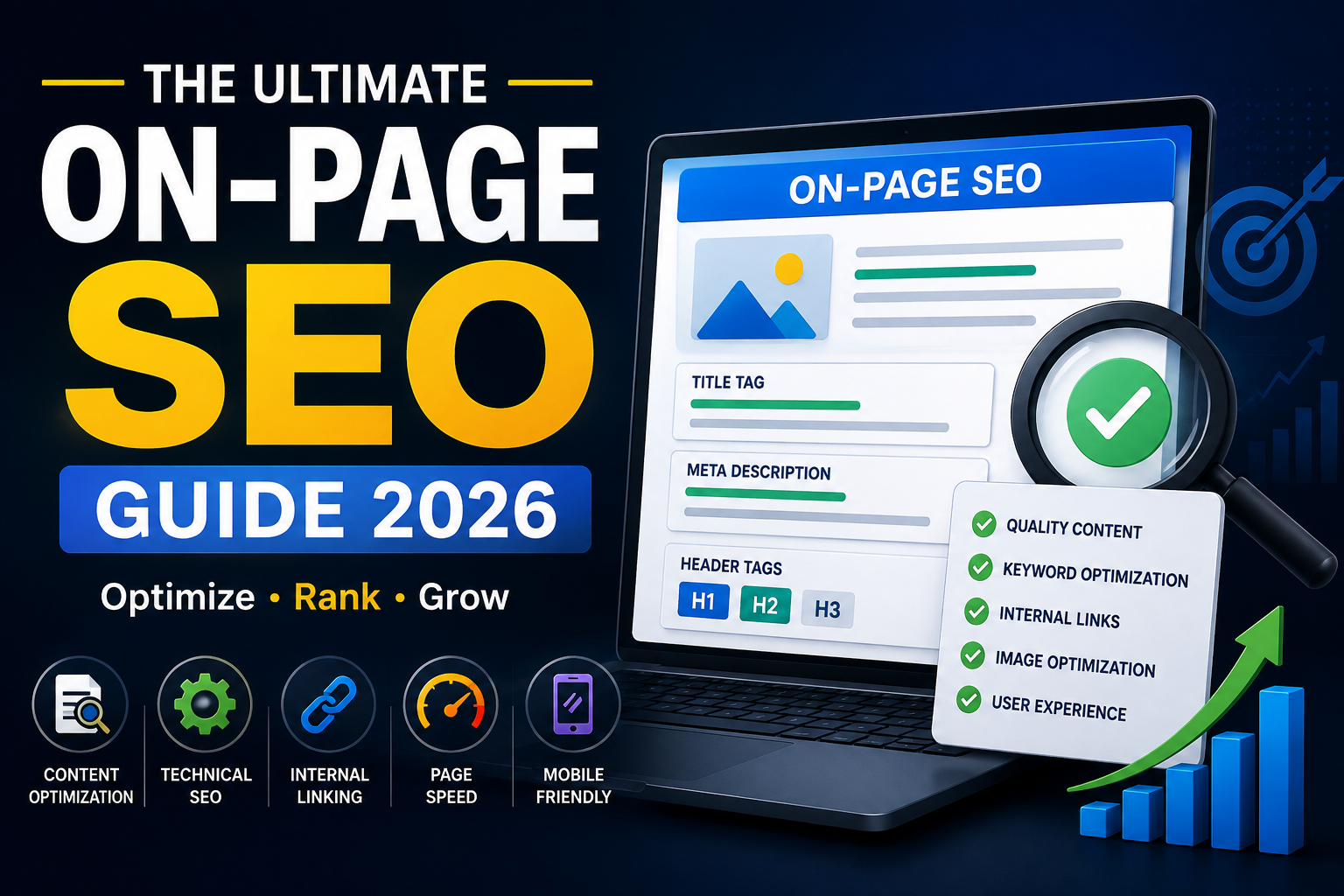
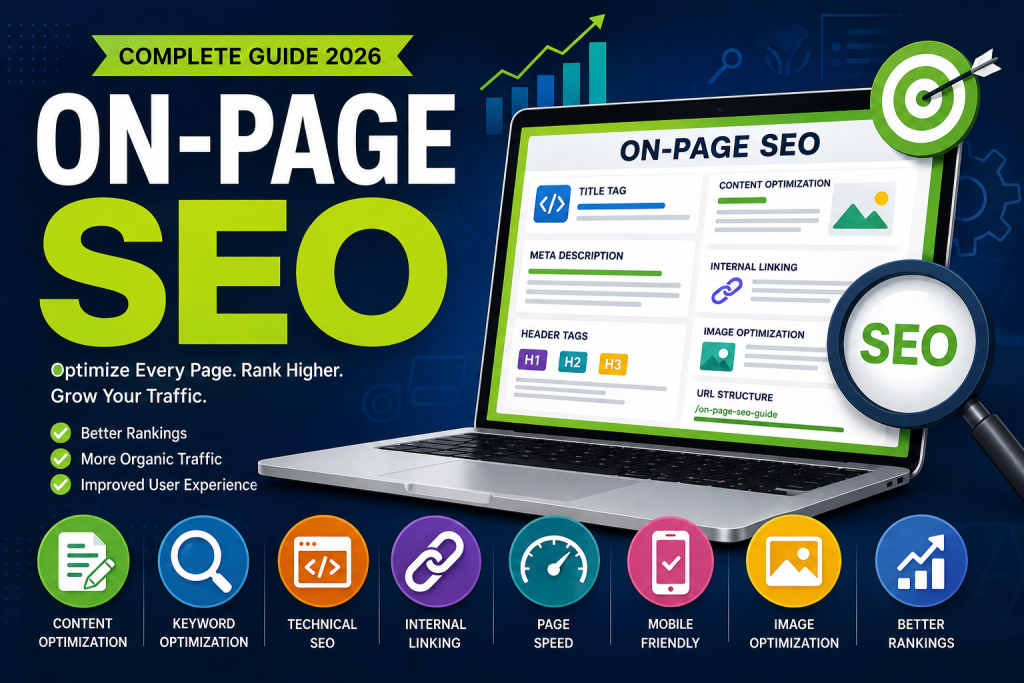
Search engine optimization remains an important traffic strategy for affiliate websites. Research relevant keywords before creating content and build articles around genuine search intent.
Use your primary keyword naturally in the title, introduction, headings, URL, and relevant sections. Include related phrases and entities rather than repeatedly forcing the same keyword into every paragraph.
Strong internal linking can also help search engines understand the relationship between your content.
4. Build Trust Before Selling
People are more likely to purchase through recommendations they trust. Avoid making exaggerated claims simply to increase conversions.
Explain the advantages, disadvantages, features, pricing considerations, and ideal use cases of products. When appropriate, share first-hand experience, original photographs, demonstrations, or meaningful comparisons.
Your goal should be to help readers make a better decision—not simply convince them to click.

How to Start Affiliate Marketing
Getting started doesn’t require a complicated setup.
First, choose a niche you understand or are willing to research deeply. Next, create a professional website or content platform where you can publish useful information.
Then research reputable affiliate programs related to your niche. Read each program’s commission structure, payment requirements, cookie duration, promotional rules, and prohibited marketing methods.
After joining suitable programs, create high-quality content around topics that potential customers search for.
Finally, track your results. Monitor clicks, conversions, conversion rates, and earnings to determine which pages and products are performing best.
Affiliate Disclosure and Compliance
Transparency is essential. If you receive compensation when someone purchases through your links, clearly disclose that relationship to your audience.
Your disclosure should be easy to understand and placed where readers can reasonably notice it. Follow the applicable advertising and consumer-protection requirements as well as the individual rules of each affiliate program.
Never disguise commercial relationships or make claims about a product that you cannot support.
Common Mistakes to Avoid
Many beginners expect immediate income and become discouraged when their first few articles generate little traffic.
Other common mistakes include choosing an overly broad niche, publishing low-quality AI-generated content, ignoring search intent, promoting irrelevant products, stuffing keywords, and failing to build an email or audience relationship.
Another major mistake is focusing entirely on commissions instead of creating genuinely useful resources.
How Much Can You Make?
There is no fixed income level. Earnings depend on your niche, traffic, commission rates, conversion rate, content quality, audience trust, and promotional strategy.
A website with highly targeted traffic can sometimes outperform a much larger website with visitors who have little purchasing intent.
Rather than focusing on unrealistic income promises, concentrate on building valuable content, increasing qualified traffic, improving conversion rates, and developing multiple reliable revenue opportunities.
Final Thoughts
Affiliate marketing in 2026 is not simply about adding referral links to articles. It is about building an online resource that people trust.
Choose a specific niche, understand what your audience is searching for, publish genuinely helpful content, optimize it for search engines, and recommend products that actually fit your readers’ needs.
With consistency, transparency, and a long-term SEO strategy, affiliate marketing can become a valuable component of a broader online business.